Seeds
Pumpkin, sunflower, chia, flax and melon seeds, sold raw and unsalted. Useful in breakfast bowls and in podi, and they keep longest refrigerated once opened.
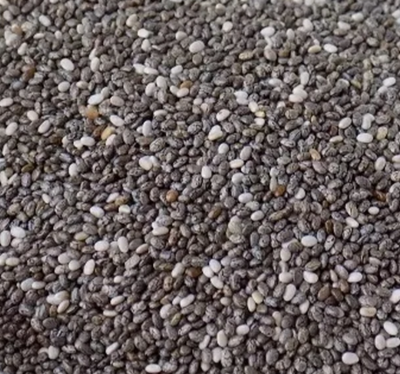
Chia Seeds
Chia seeds (சியா விதைகள்) – tiny black seeds that swell into a gel in liquid, the easiest way to add fibre and omega-3 to an ordinary day.
Chia is almost tasteless, which is its main advantage. It takes on whatever it is put into, and instead of contributing flavour it contributes texture: soaked in any liquid for fifteen minutes, each seed forms a soft gel coat and the whole mixture thickens.
That property drives every use. Two tablespoons in a glass of water with lemon makes the drink most people start with. Soaked overnight in milk with fruit, it becomes chia pudding. A spoonful thickens smoothies, curd and oatmeal. Ground chia mixed with water works as an egg substitute in baking, and dry seeds can simply be scattered over salad or dosa batter.
Chia is a notable plant source of omega-3 fatty acids and is high in dietary fibre, calcium and plant protein. The fibre is why it is associated with feeling full, and why it is worth drinking enough water alongside it.
Store airtight in a cool, dry place. The seeds keep well, but any moisture in the container will make them clump irreversibly.
Order online or over WhatsApp, with cash on delivery available.
₹25
₹50 / 100g
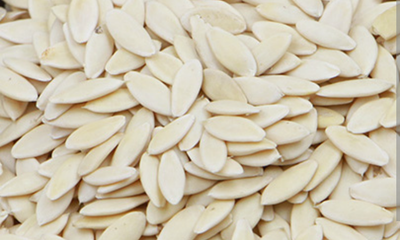
Cucumber Seeds
Cucumber seeds (வெள்ளரி விதைகள்) – small, pale, delicately crunchy kernels, valued in traditional Indian cooling preparations.
These are hulled cucumber seed kernels with a very mild, faintly sweet taste and a light crunch. The flavour is subtle enough that they disappear into whatever they are added to, contributing texture rather than taste, which is precisely how they are usually used.
In Indian households they are best known as a cooling ingredient for the summer months. They are ground into thandai and cooling milk drinks, blended into sherbets, and added to smoothies and lassi. They also work scattered over salads, curd rice and fruit bowls, folded into ladoo and energy bars, or simply dry-roasted with a little salt as a light snack.
Cucumber seeds provide plant protein, magnesium, and healthy fats, and are traditionally regarded as cooling in Ayurvedic practice, which is why they appear in summer preparations across India.
Store airtight in a cool, dry place, away from direct sunlight. Like other oily seeds they are best kept refrigerated in warm weather and used within a few months of opening.
Order online or over WhatsApp, with cash on delivery available.
₹45
₹90 / 100g
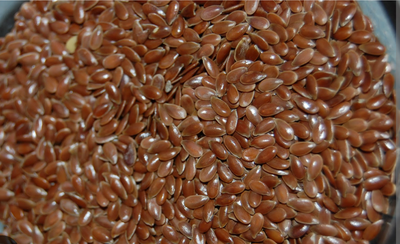
Flax Seeds
Flax seeds (ஆளி விதைகள்) – glossy brown seeds with a nutty taste, among the richest plant sources of omega-3 fatty acids.
Flax has a mild, pleasantly nutty flavour that becomes much more pronounced after a light dry-roast. Roasting is worth the two minutes it takes, both for taste and because it makes the seeds easier to grind.
One point matters more than any other with flax: the whole seed passes through largely undigested. To get the benefit, grind it. Roasted and powdered flax can be mixed into chapati dough, stirred into curd rice, sprinkled over dosa and idli, added to smoothies, or made into flaxseed chutney podi with garlic and red chilli, which is the most popular South Indian preparation. Ground flax mixed with water also works as an egg replacement in baking.
Flax seeds supply alpha-linolenic acid, an omega-3 fatty acid, along with dietary fibre and lignans.
Grind only what you will use within a week or two. The oils oxidise quickly once the seed coat is broken, so whole seeds keep far longer than powder. Store whole seeds airtight in a cool place and refrigerate any ground flax.
Order online or over WhatsApp, with cash on delivery available.
₹40
₹40 / 100g
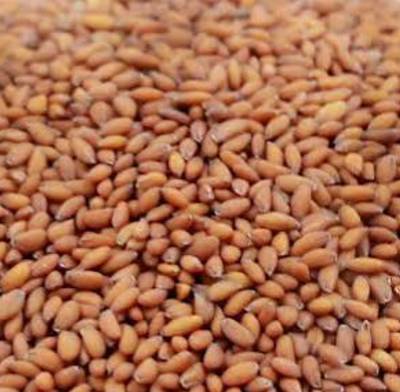
Halim seedSEED
Halim seeds (அளிவிரை) – tiny red-brown garden cress seeds, one of the richest plant sources of iron available in an Indian kitchen.
Also called aliv or garden cress seed, halim is small, slightly peppery, and swells into a gel in liquid much as chia does. The flavour has a faint bitterness and a mustard-like edge, which is why it is almost always combined with something sweet rather than eaten alone.
The traditional preparation is halim ladoo, made with jaggery, coconut and ghee, long given to new mothers and to anyone recovering their strength. Beyond that, a teaspoon is soaked in milk or water for fifteen minutes and drunk, often with jaggery to offset the bitterness. The soaked seeds can also be stirred into kheer, porridge, smoothies or lemon water.
Halim is best known for its iron content, and also supplies folate, plant protein, fibre and vitamin C. It is traditionally considered warming, which is why it is more often taken in cooler months.
Use it in small quantities: a teaspoon a day is the usual practice, not a handful. Store airtight in a dry place, away from moisture, which will cause the seeds to gel and clump.
Order online or over WhatsApp, with cash on delivery available.
₹25
₹50 / 100g
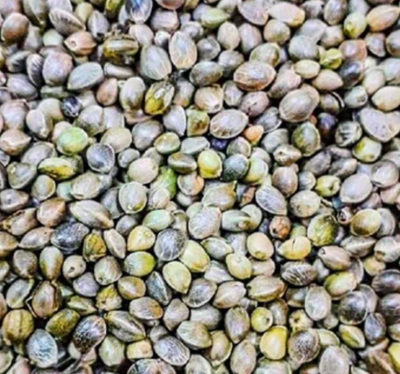
Hemp seeds
Hemp seeds (ஹெம்ப் விதைகள்) – soft, hulled green-white hearts with a mild, buttery flavour and an unusually complete protein profile.
Hulled hemp seeds, sometimes sold as hemp hearts, are tender rather than crunchy, and taste gently nutty, somewhere between a sunflower seed and a pine nut. They need no roasting, grinding or soaking, which makes them the least demanding seed on this list: the pack opens and they are ready.
Because they are soft and mild, they go on top of things rather than into them. Spoon them over curd rice, salads, oatmeal, poha and smoothie bowls. Blend them into smoothies and dressings, where they add body. Stir them into chapati dough or sprinkle over avocado toast. They can also be blended with water to make hemp milk.
Hemp seeds are notable for containing all nine essential amino acids, and they supply plant protein, omega-3 and omega-6 fatty acids, magnesium and iron.
They are high in oil and stale faster than harder seeds. Keep them airtight and refrigerated after opening, particularly in warm weather, and use within a couple of months.
Order online or over WhatsApp, with cash on delivery available.
₹40
₹80 / 100g
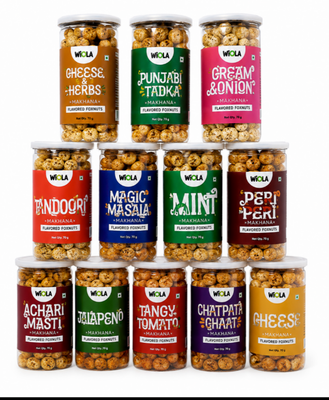
Makhana Flavoured
Flavoured makhana (சுவையூட்டிய தாமரை விதை) – puffed lotus seeds already roasted and seasoned, a ready-to-eat snack with none of the frying.
Where plain makhana asks you to roast and season it yourself, this version arrives finished. The seeds have been roasted crisp and coated with seasoning, so the pack opens straight onto the table. The texture is the same airy, satisfying crunch, with flavour carried on the outside of each puff.
This is the pack to keep for evenings, lunchboxes, desk drawers and journeys, and the one to put out when guests arrive and you want something better than crisps. Because makhana is light, a generous-looking bowl is a modest quantity, and it fills you up in a way fried snacks tend not to.
Makhana is naturally low in fat and gluten-free, and provides plant protein, magnesium, potassium and calcium. Roasting rather than frying is what keeps it that way.
Crispness is the thing to protect. Reseal the pack firmly each time and keep it away from humidity; if it does soften, a couple of minutes in a dry pan on low heat brings the crunch back.
Order online or over WhatsApp, with cash on delivery available.
₹180
₹257 / 100g
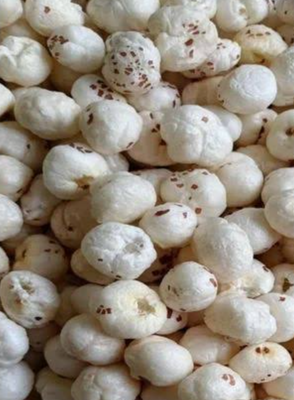
Makhana plain
Plain makhana (தாமரை விதை) – light, airy puffed lotus seeds, the rare snack that is genuinely filling without being fried.
Makhana, also called fox nuts, are the puffed seeds of the lotus. Plain and unroasted they taste of very little, which is exactly the point: they are a blank canvas, and they crisp beautifully when dry-roasted in a pan for a few minutes with or without a little ghee.
Roast them and season however you like: salt and pepper, chaat masala, ghee and turmeric, or chilli powder. Beyond snacking, makhana is used in kheer, where it softens into a creamy pudding, and in North Indian gravies where it is roasted and added whole or ground as a thickener. They also work in a savoury mix with curry leaves, peanuts and roasted gram.
Makhana is low in fat, gluten-free, and a source of plant protein, magnesium, potassium and calcium, which is why it has become a standard choice for fasting days and weight-conscious snacking.
They absorb moisture readily and go soft. Keep the pack tightly sealed; if they lose their crispness, two minutes in a dry pan restores it completely.
Order online or over WhatsApp, with cash on delivery available.
₹75
₹150 / 100g
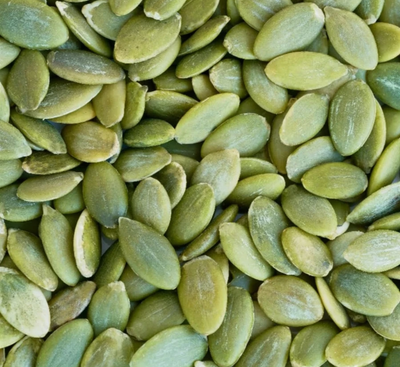
Pumpkin Seeds
Pumpkin seeds (பூசணி விதைகள்) – flat green kernels with a firm, satisfying chew, one of the best plant sources of magnesium and zinc.
These are hulled pumpkin seed kernels, so there is no white shell to crack: they are ready to eat as they are. Raw, they are mild and slightly sweet. Dry-roasted for a few minutes in a pan until they begin to pop, they turn nutty and considerably more flavourful, which is how most people prefer them.
They are the most versatile seed in the pantry. Roast with salt and chilli powder for a snack that beats any fried namkeen. Scatter over salads, soups, curd rice and upma. Blend into chutney or pesto. Fold into granola, energy bars and ladoo. They also toast well alongside sunflower seeds as a mixed seed sprinkle for everyday use.
Pumpkin seeds are particularly high in magnesium and zinc, and also provide plant protein, iron and healthy fats.
Store airtight away from heat and light; refrigerate in warm weather, since the oil content means they can go stale. A sharp or bitter smell is the sign they have turned.
Order online or over WhatsApp, with cash on delivery available.
₹43
₹86 / 100g
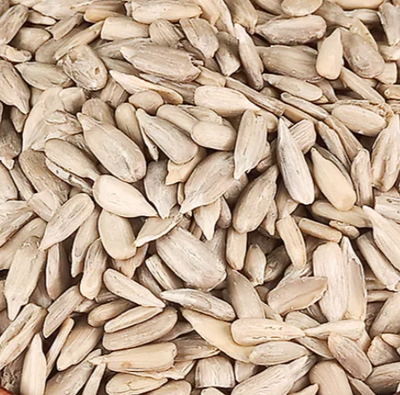
Sunflower Seeds
Sunflower seeds (சூரியகாந்தி விதைகள்) – light, crisp kernels with a gentle nutty flavour, the most affordable everyday seed on the shelf.
These are hulled kernels, ready to eat without shelling. The taste is mild and clean, closer to a soft nut than to a strong seed, which makes them the easiest seed to introduce to anyone who does not usually eat them. A light dry-roast deepens the flavour and adds crunch.
Their mildness makes them endlessly useful. Roast with a little salt for a snack. Scatter over salads, curd rice, poha and upma. Stir into granola, energy bars and breakfast cereal. Grind into a seed butter for anyone avoiding nuts, or blend into chutney. They are also a common addition to bread and multigrain rotis.
Sunflower seeds are a good source of vitamin E, magnesium, selenium, plant protein and healthy fats, and are one of the least expensive ways to add all of that to a diet.
Keep them airtight and away from heat and light, and refrigerate in warm weather. Like all oily seeds, they go rancid if stored badly, and the smell makes it obvious when they have.
Order online or over WhatsApp, with cash on delivery available.
₹20
₹40 / 100g
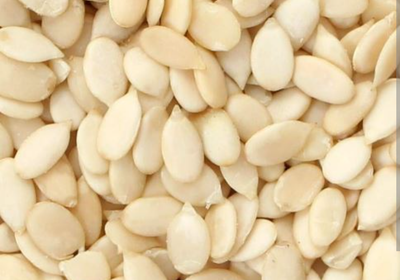
Watermelon Seed SEED
Watermelon seeds (தர்பூசணி விதைகள்) – hulled white kernels with a clean, nutty taste, a traditional ingredient in Indian cooling drinks and sweets.
These are the soft inner kernels, shelled and ready to eat, not the hard black seeds from the fruit. The flavour is mild and nutty, and the texture is tender rather than crunchy, which makes them easy to grind smooth.
They have a long history in Indian kitchens. Ground with almonds and cucumber seeds, they are part of the classic thandai and cooling summer sherbet. They thicken gravies in the same way melon-seed paste does in Mughlai cooking, they go into sweets and ladoo, and they are roasted with salt as a light snack. A spoonful stirred into curd or a smoothie adds protein without altering the flavour.
Watermelon seeds are a good source of plant protein, magnesium, zinc, iron and healthy fats, and are notably high in protein for their size.
Store airtight in a cool, dry place. Their oil content means they should be kept out of heat and used within a few months; refrigerate during warm weather.
Order online or over WhatsApp, with cash on delivery available.
₹50
₹100 / 100g